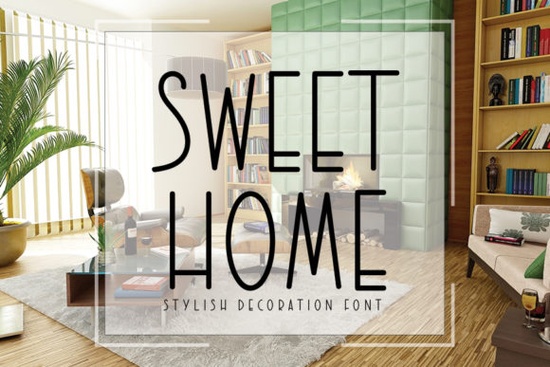
If you’ve been searching for a clean, modern sans serif that doesn’t shout but still stands out, you might want to take a closer look at Sweet Home Font. It’s the kind of typeface that slips quietly into your design toolkit and ends up being the one you reach for again and again whether you’re working on branding, packaging, invitations, or print-on-demand products. Its minimal structure keeps things tidy, while its personality adds just enough charm to make your work feel intentional and fresh.
What makes it especially handy is how well it pairs with other fonts. Try combining it with something like Muffin for contrast one brings warmth, the other brings clarity. Together, they create balance without competing for attention. That kind of flexibility matters when you’re juggling client projects or building your own shop’s visual identity.
Who actually benefits from using Sweet Home Font?
It’s not just for graphic designers. If you run a small business selling custom mugs, tote bags, or greeting cards, this font gives your product listings a cohesive, professional look even if you’re not a typography expert. Crafters who make SVG files or printable wall art will find it scales beautifully from large posters down to tiny stickers. And for hobbyists experimenting with Canva or Silhouette Studio, Sweet Home doesn’t require advanced skills to use well.
- Print-on-demand sellers – Clean fonts convert better. Customers scroll fast; legibility wins.
- Wedding stationery designers – Pair it with script fonts for headers, then let Sweet Home handle the details.
- Etsy shop owners – Consistency across thumbnails and listings builds trust.
- Teachers & homeschoolers – Great for worksheets, classroom labels, or educational posters.
How does it hold up in real-world use?
One thing users appreciate is how readable it stays, even at smaller sizes. That’s crucial if you’re designing product tags, social media graphics, or PDF downloads. The letterforms are open and evenly spaced, which means less tweaking in your layout software. No fighting with kerning or wondering why certain characters look cramped.
You can see examples of similar minimalist sans serifs in action over at Sweet Home, where creators share mockups and tutorials. Browsing those can help you visualize how the font behaves in different contexts from dark backgrounds to textured overlays.
Is it worth adding to my existing collection?
If your current fonts feel either too stiff or too playful, Sweet Home sits comfortably in the middle. It’s neutral enough to blend, but distinctive enough to be memorable. Think of it as the reliable friend who shows up on time, dressed appropriately, and ready to help no drama, no fuss.
And because Creative Fabrica offers commercial licenses with most purchases, you won’t need to worry about usage restrictions once you download it. Whether you’re making 10 items or 10,000, you’re covered. Just make sure to check the specific license terms after purchase, since some bundles may vary.
A few quick pairing ideas:
- Sweet Home + a handwritten brush font – Perfect for boutique branding or seasonal promotions.
- Sweet Home + all caps + tight tracking – Modern logo treatment for cafes or studios.
- Sweet Home + light weight + lots of whitespace – Ideal for minimalist quote prints or planner inserts.
What if I already have too many fonts?
Fair question. Font overload is real. But instead of thinking of Sweet Home as “another font,” think of it as a utility player. You don’t need to use it everywhere just keep it handy for when you need something that works effortlessly across platforms and print types. Sometimes, having one truly versatile option saves more time than owning twenty fonts that only work in very specific scenarios.
If you’re still unsure, compare it visually with other sans serifs in the same family. Seeing them side by side often reveals subtle differences in x-height, stroke contrast, or terminal shapes details that affect how a font feels, even if you can’t name why.
Next steps if you’re ready to try it
Download a sample first if available test it with your most common project types. See how it looks next to your brand colors or favorite templates. Does it feel like it belongs? If yes, grab the full version. If not, you haven’t lost much time. Either way, you’re making a practical choice based on real use, not hype.
Quick checklist before downloading:
- Check if your software supports OTF/TTF (most do).
- Review the license personal vs. commercial use.
- Test readability at the smallest size you plan to use.
- Try pairing it with one contrasting font before committing.
Fonts like this don’t scream for attention they earn it by being useful. And in creative work, usefulness lasts longer than trends.
Try It Free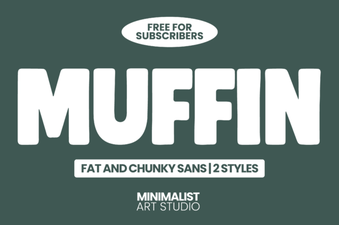 Muffin Font Design & Free Download
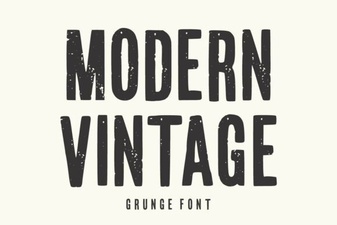 Modern Vintage Fonts for Creative Designers
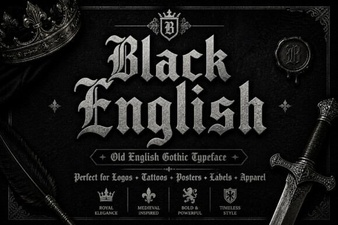 Discovering the Perfect Black Fonts for Your Designs
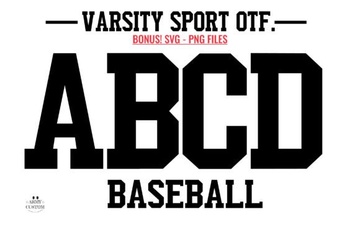 Varsity Sport Army Font for Sports Design Projects
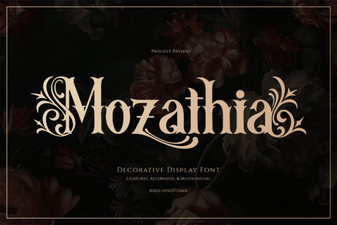 Mozathia Font Design Projects & Inspiration
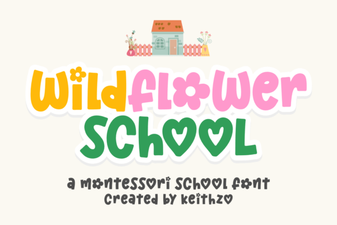 Wildflower School: a Free Creative Font for Educators